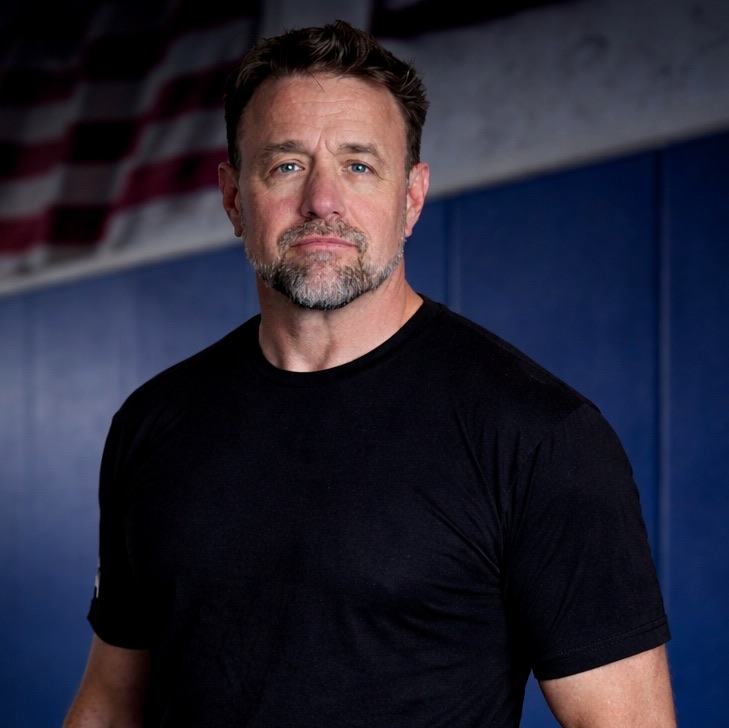
The Capable Academy Podcast
Building More Capable Human Beings
The new direction of our podcast, the work we have been building, and why experienced teachers must remain serious students.
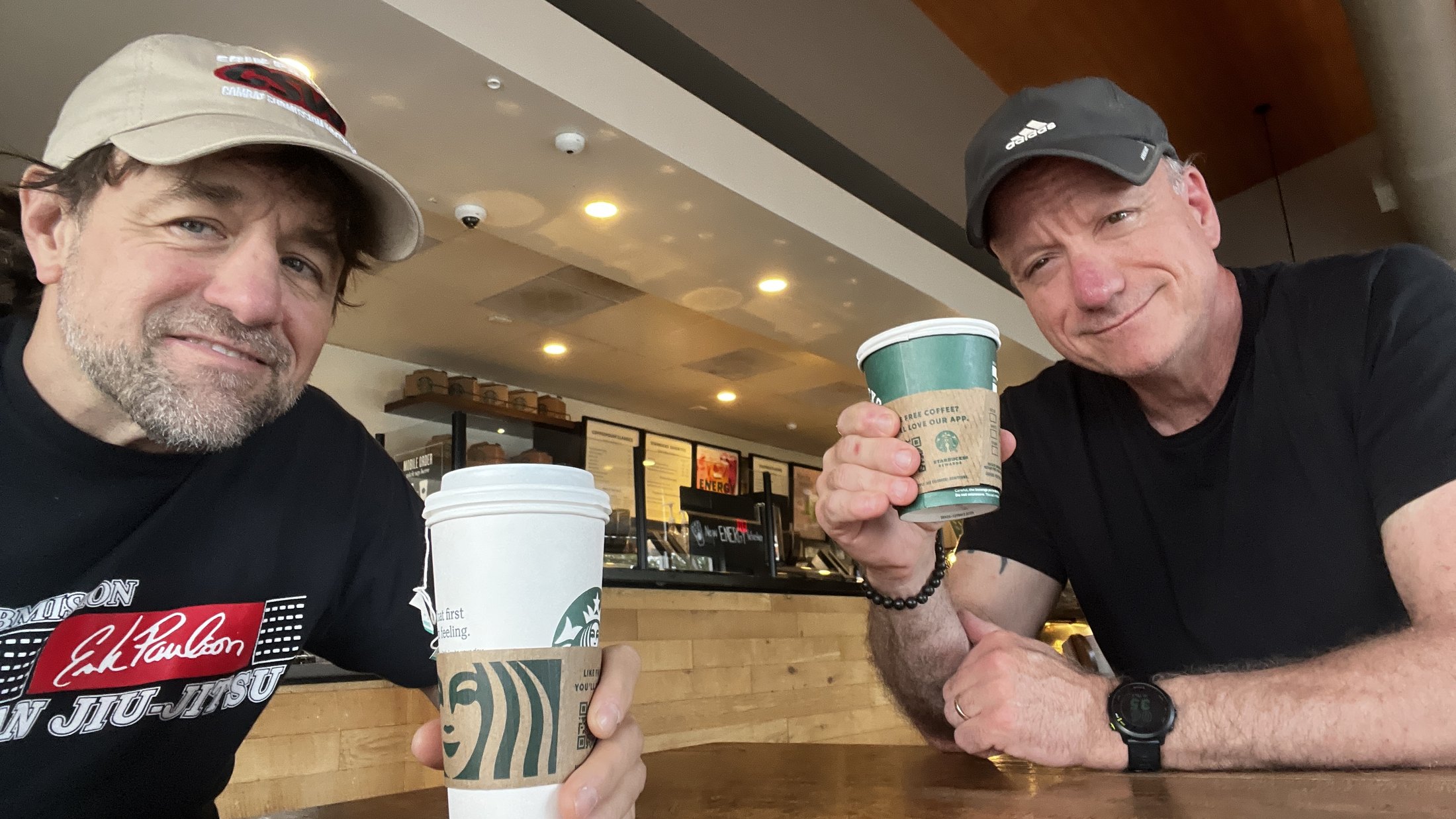
Coach Bob Burgee and I recently sat down to record the first conversation in a new chapter of our podcast.
The podcast has a new name, but this is about much more than changing a title or the graphics. It is about giving clearer direction to a conversation we have already been having for years.
That direction is The Capable Academy.
For a long time, people have known me through different parts of my work. Some came through martial arts. Others found me through self-protection, defensive tactics, executive protection, firearms, physical culture, instructor development, or personal growth. Each subject may look like a separate path from the outside, but I have gradually come to understand that they are all connected by one larger question:
How do we become more capable human beings?
That question is now the central purpose of the podcast. Bob and I will continue sharing training stories and lessons from our own experience. We will also bring in guests who have developed real capability in different environments. The goal is not to produce conversation for its own sake. The goal is to create continuing education through conversation.
One Institution, Many Learning Environments
A new name for a larger mission
The mission of The Capable Academy is simple: building more capable human beings.
Simple does not mean narrow. Capability includes what you know, but it also includes what you can do with what you know. It is expressed through perception, judgment, discipline, physical capacity, practical skill, adaptability, leadership, and service. It is the ability to recognize what a situation requires and take useful action.
That action may happen in a martial arts school, behind the wheel of a vehicle, in a professional protection assignment, during a difficult conversation, inside a business, on a trail, or in the ordinary responsibilities of daily life.
The different subjects we study are not the final destination. They are learning environments. Each environment gives us another place to test ourselves, discover weaknesses, receive correction, and develop abilities that can travel with us into the rest of life.
Learn
Acquire sound principles, useful models, and accurate information.
Think
Question, compare, organize, and test what you have learned.
Apply
Move the idea into training, work, decisions, and lived experience.
Adapt
Use feedback to refine what you do when conditions change.
What We Have Been Building
Make the knowledge easier to find, understand, and use
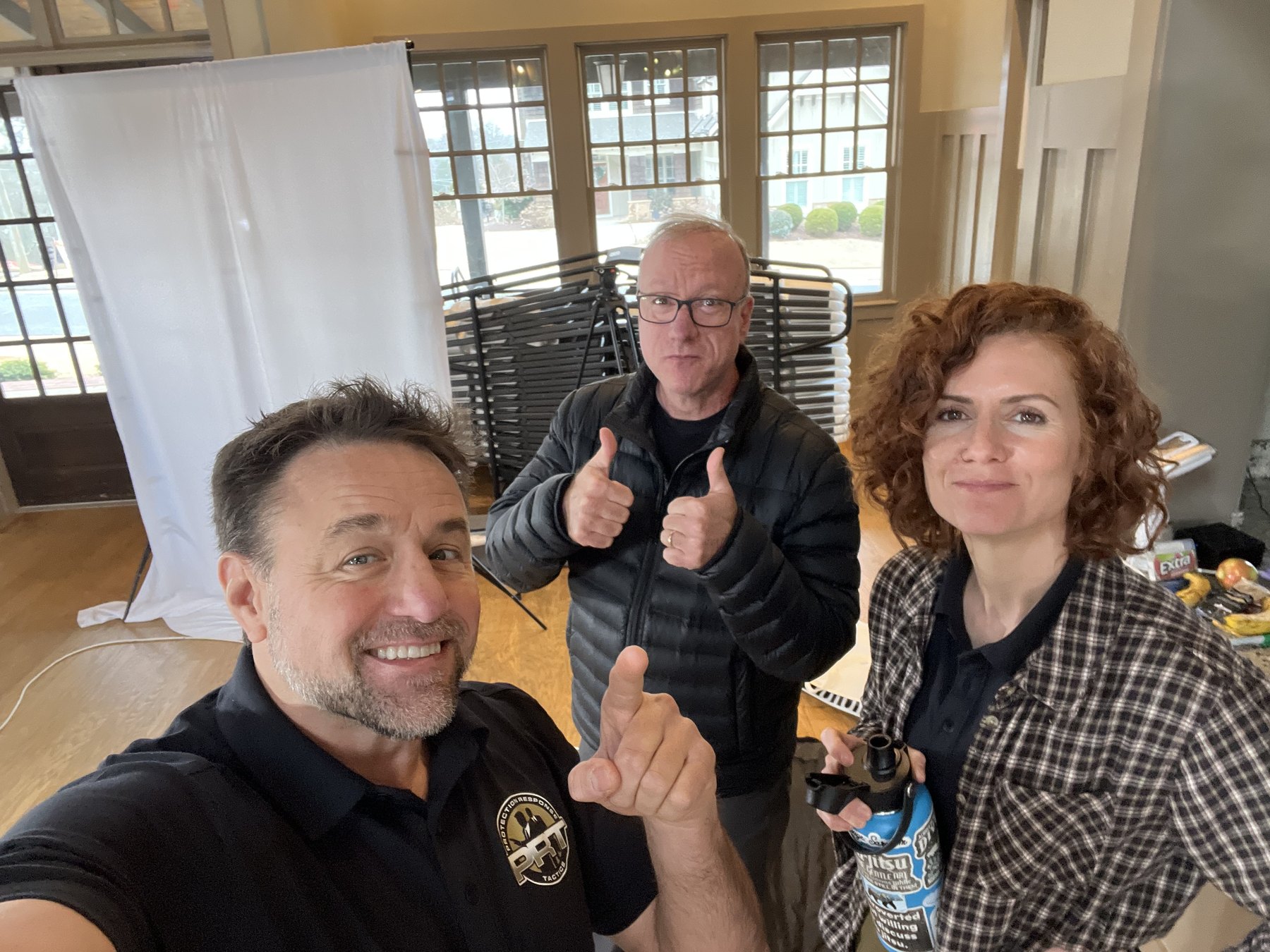
Much of our recent work has focused on improving how people enter, navigate, and continue through the Academy.
We have rebuilt websites, reorganized online academies, improved lesson pages, and added written guidance around the video instruction. The purpose is not to add decoration or material simply for the sake of volume. The purpose is to make the learning experience clearer and more useful.
Bob has spent years concentrating on the video side of our work. When he began reviewing the written material and structural improvements we have been adding, he could see the value of another set of eyes. Meaningful work becomes stronger when qualified people are willing to contribute, question, refine, and improve it together.
We are also organizing the 2027 training calendar earlier so students and instructors can plan ahead. Serious learning requires access, preparation, and time.
On Monday, September 7, I released The Scholar Code. The book addresses one of the central responsibilities behind everything we are building: becoming a self-educator.
Information can create understanding. Application creates capability.
The Student Mindset
Experienced teachers must remain students
I have always made an effort to find out what I do not know. That can be uncomfortable because we do not know what we do not know. Sometimes it takes entering a new environment, working with a different teacher, or failing under unfamiliar conditions to expose the gap.
That is not a reason to protect your ego. It is a reason to keep learning.
Learning to become an intuitive driver
Recently, I spent time at Pocono Raceway training with Joe Autera and the Vehicle Dynamics Institute team. I have known Joe for many years, and every time we work together I learn something.
On this trip, the idea of becoming an intuitive driver began to make deeper sense. Joe talks about learning to feel your way through the problem. That does not mean guessing or abandoning technical knowledge. It means that sound principles, correct repetitions, awareness, and feedback have been integrated deeply enough that the driver can recognize and respond without mentally forcing every separate step.
I have experienced the same shift in martial arts. Early learning often requires more conscious effort, more detail, and more correction. Over time, if the training is sound, less begins to become more. The movement becomes simpler because the understanding has become deeper.
But that kind of simplicity cannot be rushed. It has to be earned.
Principles Under Pressure
The fundamentals are not frozen
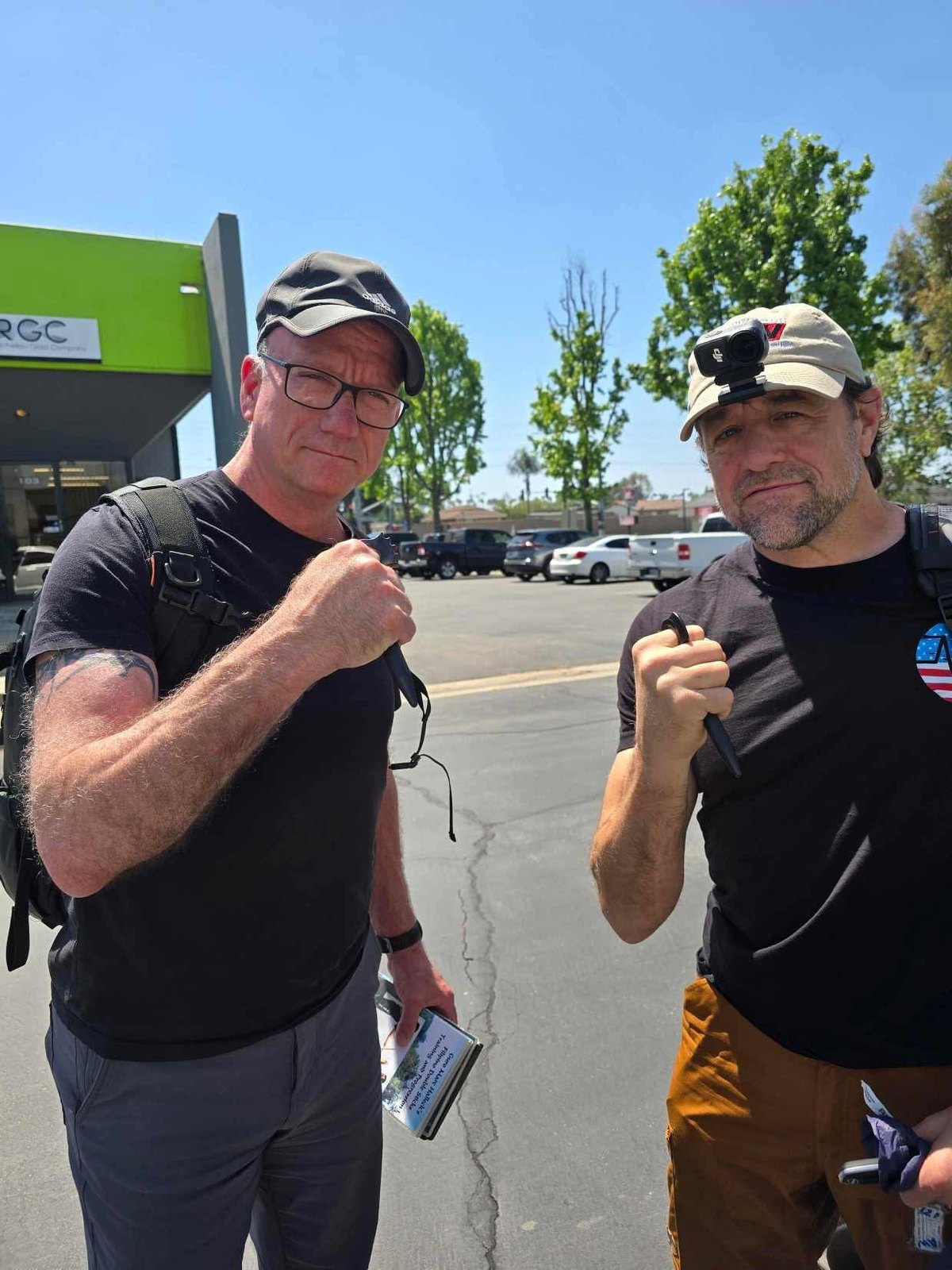
Bob and I also talked about the private training we have been doing together and the continued development of our weaponized grappling work for C-Tac.
That work has forced me to reconsider things I have trained for twenty or thirty years. Once equipment, weapons, confined spaces, additional people, and different levels of resistance enter the problem, even familiar fundamentals may need to change.
Principles may remain stable, but the expression of a principle must adapt to the environment and the individual.
Too many people treat a fundamental as a frozen answer. I see it differently. A fundamental is a reliable starting point that must continue to survive contact with experience.
This is why we test. We put on the equipment. We change the environment. We add resistance. We work with different groups. We ask where the method breaks down. Then we return to the fundamentals and refine them.
The process is a science experiment. You run the experiment, learn something, make an adjustment, and run it again. The same principle applies outside physical training. A system, website, course, business, or personal routine should improve as our understanding improves. The method may change repeatedly while the mission remains intact.
Longevity Is Capability
Maintaining the human machine
Bob brought the conversation into another essential area of capability: longevity.
His recent focus has included running, strength work, mobility, flexibility, grappling, and finding a better balance between them. His goal is not to prove that he can still train exactly as he did decades ago. It is to maintain the machine so he can continue learning and practicing for decades to come.
Guro Dan Inosanto told us years ago that training has to adapt as we move through different decades of life. That does not mean lowering all standards or becoming passive. It means developing enough judgment to understand what the body needs now.
For Bob, long cardiovascular work provides both a physical and mental test. For me, Indian clubs, Persian meels, changes to my nutrition, and continued hands-on training have become important parts of the process. The specific methods may differ, but the shared objective is continued capability.
We both want to be the older men who are still studying, moving, teaching, and doing the work.
Returning to the Masters
The lesson did not change. The learner did.
That commitment to continued study recently took me to Vero Beach for a private session with Master Rickson Gracie.
I have been fortunate to spend time with him over the years through my relationship with Master Pedro Sauer, my primary Brazilian Jiu-Jitsu teacher. Even before discussing technique, being in the room with a person of that depth is an education. You observe how he carries himself, how he communicates, and how he gives attention to the person in front of him.
Then he puts his hands on you, and familiar ideas become new again.
We worked with details connected to what is often called invisible Jiu-Jitsu. The lesson was not a collection of flashy techniques. It was connection. From the feet, the top, the bottom, or during an escape, Rickson has the ability to connect to the human machine and remain ahead of the next adjustment.
This is what deep mastery often looks like. The principles become so well understood that the practitioner is ahead in time. What appears simple from the outside contains decades of study, sensitivity, and refinement.
Bob described a similar experience when revisiting old material from Coach Erik Paulson. After decades of studying the material, he can return to a lesson and suddenly see a detail that was present all along. The teacher showed it years ago, but the student had not yet developed the eyes to recognize it.
Legacy and Responsibility
Honor what was received. Prepare others to carry it forward.
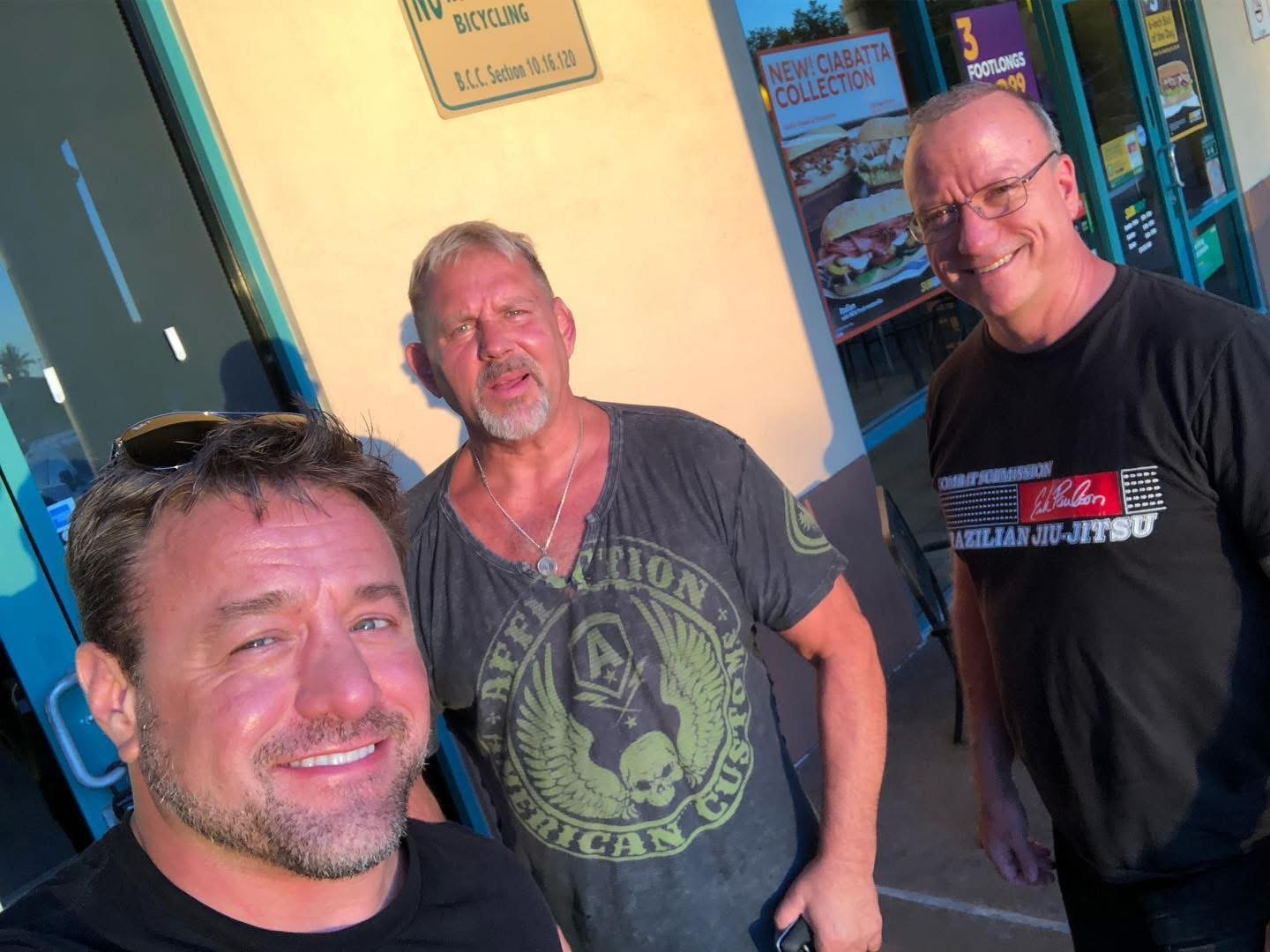
In April, Bob and I had the privilege of attending an extraordinary day at the CSW World Conference.
Rigan Machado received his red belt from Rorion Gracie, and Erik Paulson received his coral belt from Rigan. Several other longtime practitioners were also recognized with coral belts.
It was one of those rare moments when history, lineage, and community were all visible in the same room.
For me, Erik is much more than a respected coach. He is a big brother, mentor, innovator, and one of the people who has had a major influence on how I understand martial arts. Watching him receive that recognition was one of the high points of the year.
The gathering also reminded us that legacy does not end with honoring senior teachers. Kade and Tye Ruotolo represent part of the next generation. Watching young practitioners of that level work with the people who helped shape the modern art creates a visible line between what was received, what is being developed now, and what will be carried forward.
That is part of the responsibility of a real academy. We preserve what matters, continue testing it, and prepare people to carry the work beyond us.
What Is Coming Next
Continue the work in person
The next several months give us more opportunities to continue that process through live instruction, practice, and community.
Jiu-Jitsu Training Camp
Three days of immersive training at Atlanta Martial Arts Center in Woodstock, Georgia, including an affiliate training day.
View the eventExecutive Protection Institute
I will return to Martinsburg, West Virginia, as part of the faculty for EPI’s seven-day Providing Executive Protection program.
View the programCSW Coach Development Camp
Coach Erik Paulson’s affiliate training event will take place at Atlanta Martial Arts Center.
View the CSW scheduleWe are also placing 2027 events on the calendar now so students, instructors, and training partners have time to plan. The work will continue through live events, private training, online lessons, books, articles, and future podcast conversations.
Capability Practice
Choose your next lesson
The closing question from this episode is also the practical challenge behind this article:
What is one thing you can start doing this week to become more capable?
Do not answer with a vague ambition. Choose one ability that would improve your life, work, health, judgment, or service to others.
- Define the capability clearly.
- Find a credible teacher, source, or learning environment.
- Schedule one period of deliberate practice.
- Ask for honest feedback.
- Record what you learned and decide what to do next.
Continue the Conversation
The conversational classroom of the Academy
Bob and I will continue exploring what we are training, building, learning, and reconsidering. Expect practical stories, useful ideas, honest discussion, Academy updates, and a continuing emphasis on application.
We are not presenting ourselves as finished products. We are documenting the process of remaining students, refining the work, and helping more people become capable of useful action.
Explore The Capable Academy Podcast